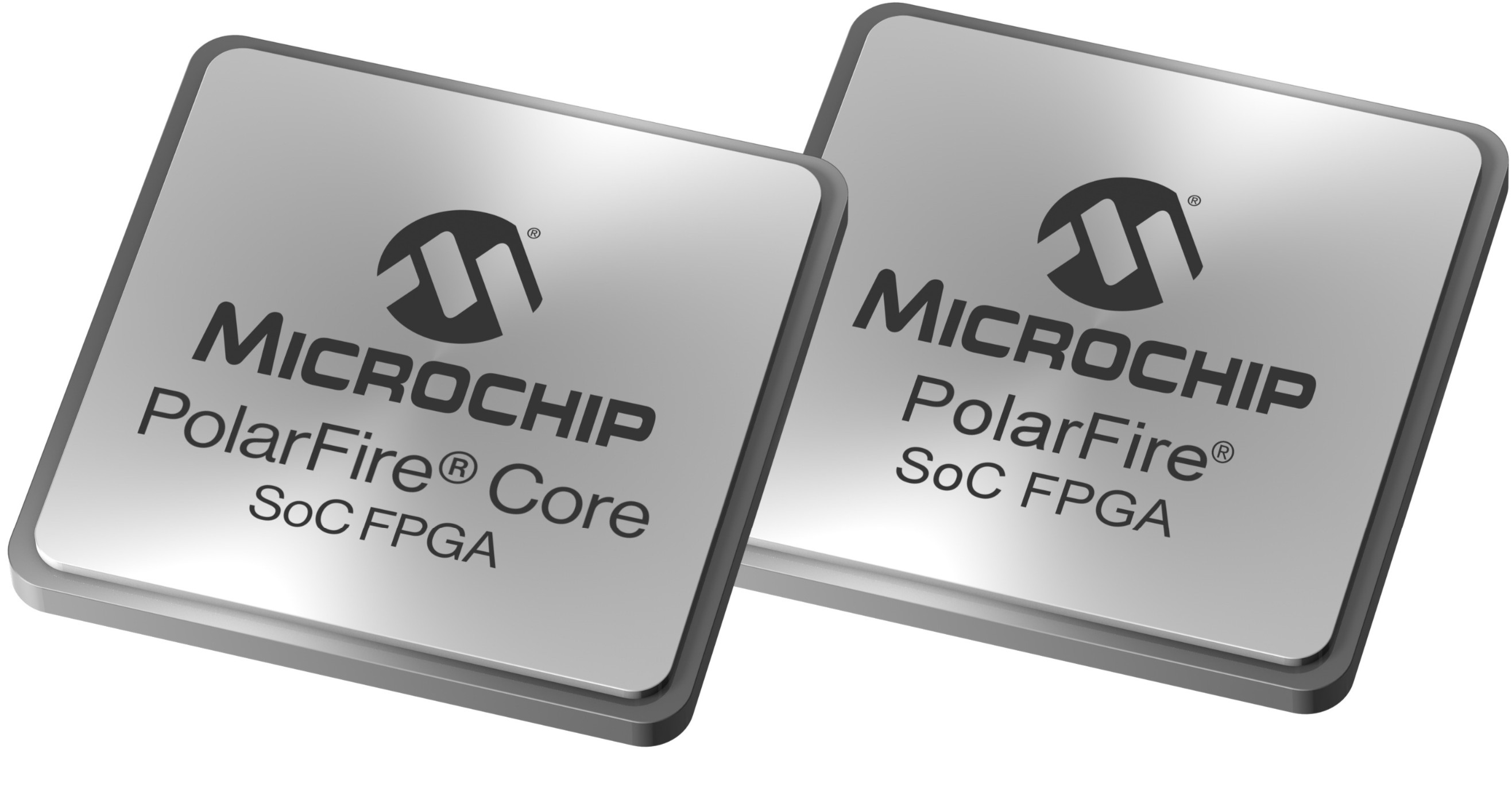
Introduction to PolarFire® SoC (February 2026)

Garo Janir guides you through the architecture, configuration, and development workflows of PolarFire® SoC, enabling you to address real-time, power-efficient, and secure edge computing applications.

rate limit

Code not recognized.

About this course

This course provides a comprehensive exploration of the PolarFire® SoC architecture, focusing on its unique combination of FPGA fabric and a hardened RISC-V-based microprocessor subsystem. You will gain a deep understanding of how PolarFire SoC addresses the challenges of edge computing, including power efficiency, security, and real-time processing. The course covers the architectural differences between PolarFire FPGAs and SoCs, the integration of user crypto functionality, and the flexibility of the Microprocessor Subsystem (MSS). Through detailed explanations, you will learn about symmetric and asymmetric multiprocessing, memory subsystem configuration, cache coherency, and the deterministic real-time capabilities of the platform. The training also delves into the device’s power advantages, packaging options, and the extensive ecosystem supporting development, including tools, reference designs, and software flows. Practical modules guide you through the MSS Configurator, simulation, and hands-on software development, ensuring you are equipped to design, debug, and deploy applications on PolarFire SoC platforms. Whether you are new to the architecture or seeking to optimize your designs, this course offers the technical depth and practical guidance needed to leverage the full potential of PolarFire SoC.


Course Objectives

  • Explain the architectural features and advantages of PolarFire® SoC compared to traditional FPGAs and competing SoCs.
  • Configure and utilize the Microprocessor Subsystem (MSS) for both real-time and general-purpose applications.
  • Apply best practices for memory subsystem setup, cache management, and deterministic execution.
  • Navigate the development ecosystem, including tool flows, simulation, and reference designs.
  • Develop, debug, and deploy embedded software and hardware designs using PolarFire SoC kits and tools.

Curriculum113 min

  • Class Overview
  • Syllabus & Downloads
  • PolarFire® SoC Solutions and Ecosystem
  • PolarFire® SoC Overview 7 min
  • PolarFire® SoC Architecture
  • PolarFire® SoC Architecture 3 min
  • Interconnect, FPGA Fabric, IOs, Transceivers 4 min
  • PolarFire® SoC MSS Architecture 3 min
  • MSS Memory Subsystem 2 min
  • L1 Memory Subsystem 2 min
  • L2 Memory Subsystem 6 min
  • Privilege Modes & PMP 2 min
  • PolarFire® SoC Peripherals 13 min
  • PolarFire® SoC Solutions and Ecosystem
  • Solutions and Ecosystem 2 min
  • PolarFire® SoC Design Flow
  • Design Flow 5 min
  • Exploring MSS Configurator 17 min
  • BFM Simulation 1 min
  • PolarFire® SoC Based Kits and Reference Design 13 min
  • Firmware Development 13 min
  • PFSoC Bare-Metal Examples 5 min
  • Using SoftConsole® 14 min
  • More Informations 1 min
  • Complete Recording
  • Introduction to PolarFire® SoC (114 min)
  • Feedback and Discussion
  • Get in contact with the presentation team
  • We need your feedback

About this course

This course provides a comprehensive exploration of the PolarFire® SoC architecture, focusing on its unique combination of FPGA fabric and a hardened RISC-V-based microprocessor subsystem. You will gain a deep understanding of how PolarFire SoC addresses the challenges of edge computing, including power efficiency, security, and real-time processing. The course covers the architectural differences between PolarFire FPGAs and SoCs, the integration of user crypto functionality, and the flexibility of the Microprocessor Subsystem (MSS). Through detailed explanations, you will learn about symmetric and asymmetric multiprocessing, memory subsystem configuration, cache coherency, and the deterministic real-time capabilities of the platform. The training also delves into the device’s power advantages, packaging options, and the extensive ecosystem supporting development, including tools, reference designs, and software flows. Practical modules guide you through the MSS Configurator, simulation, and hands-on software development, ensuring you are equipped to design, debug, and deploy applications on PolarFire SoC platforms. Whether you are new to the architecture or seeking to optimize your designs, this course offers the technical depth and practical guidance needed to leverage the full potential of PolarFire SoC.


Course Objectives

  • Explain the architectural features and advantages of PolarFire® SoC compared to traditional FPGAs and competing SoCs.
  • Configure and utilize the Microprocessor Subsystem (MSS) for both real-time and general-purpose applications.
  • Apply best practices for memory subsystem setup, cache management, and deterministic execution.
  • Navigate the development ecosystem, including tool flows, simulation, and reference designs.
  • Develop, debug, and deploy embedded software and hardware designs using PolarFire SoC kits and tools.

Curriculum113 min

  • Class Overview
  • Syllabus & Downloads
  • PolarFire® SoC Solutions and Ecosystem
  • PolarFire® SoC Overview 7 min
  • PolarFire® SoC Architecture
  • PolarFire® SoC Architecture 3 min
  • Interconnect, FPGA Fabric, IOs, Transceivers 4 min
  • PolarFire® SoC MSS Architecture 3 min
  • MSS Memory Subsystem 2 min
  • L1 Memory Subsystem 2 min
  • L2 Memory Subsystem 6 min
  • Privilege Modes & PMP 2 min
  • PolarFire® SoC Peripherals 13 min
  • PolarFire® SoC Solutions and Ecosystem
  • Solutions and Ecosystem 2 min
  • PolarFire® SoC Design Flow
  • Design Flow 5 min
  • Exploring MSS Configurator 17 min
  • BFM Simulation 1 min
  • PolarFire® SoC Based Kits and Reference Design 13 min
  • Firmware Development 13 min
  • PFSoC Bare-Metal Examples 5 min
  • Using SoftConsole® 14 min
  • More Informations 1 min
  • Complete Recording
  • Introduction to PolarFire® SoC (114 min)
  • Feedback and Discussion
  • Get in contact with the presentation team
  • We need your feedback